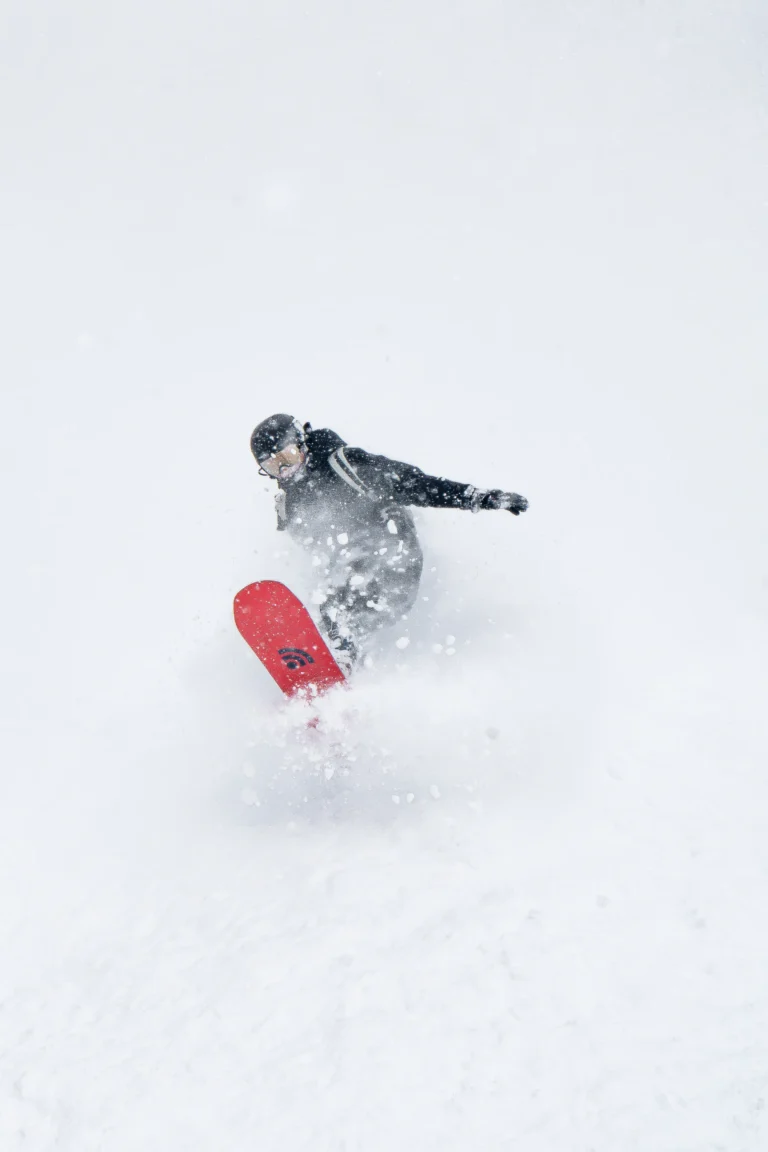
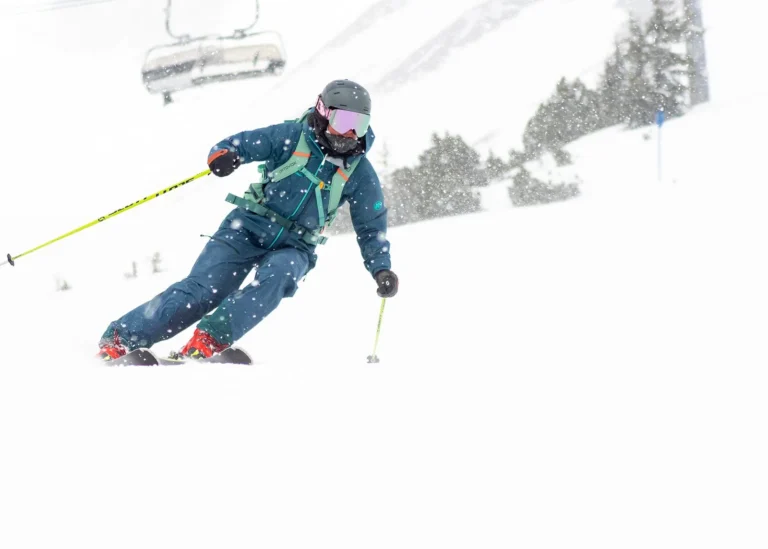


St. Anton has a reputation that arrives before you do: steep, snowy, and home to the loudest après in the Alps. All true. But a first week here doesn’t need to be a battle. With a bit of local knowledge it’s one of the best ski holidays you can have: big mountains in the morning, long lunches on sunny terraces, and a village that stays lively well after the lifts close.
This guide is built from twelve winters of living and skiing in the Arlberg. It’s the week we’d plan for a friend visiting for the first time.
The Basics Before You Go
When the season runs. The 2026/27 Ski Arlberg season opens on Wednesday 2 December 2026 and runs until Sunday 18 April 2027. The Stanton Ski Open kicks things off on 4 to 6 December with live music in the village.
Which weeks to choose. January is the quiet secret: cold, crisp snow and emptier pistes. February is the busiest month, especially around school half-terms. March brings longer, sunnier days and the best terrace lunches. Late season into April is relaxed and good value, though the lowest runs back to the village can get soft by the afternoon.
The size of it. Ski Arlberg links St. Anton, St. Christoph, Stuben, Lech, Zürs, Warth and Schröcken on one lift pass: more than 300 km of marked runs, around 200 km of off-piste routes and 85 lifts. You won’t ski it all in a week, and you don’t need to.
Lift passes. A high-season adult day pass for 2026/27 costs €85 (19 December to 2 April), with slightly lower prices in early and late season. Multi-day passes work out cheaper per day. Buy online at skiarlberg.at to skip the queue on your first morning. A pass bought the day before can be used from 4pm.
Getting there. St. Anton has its own railway station right in the village, which makes the train a genuinely easy option. Innsbruck and Zurich are the most common airports, with transfers running all season.
Be honest about your level. St. Anton’s pistes are graded firmly. A red here often skis like a black elsewhere, and many of the famous runs are steep and mogulled by the afternoon. If you’re a confident intermediate you’ll love it. If you’re newer to skiing, a few days with an instructor will make the whole week more fun, and there are gentler areas to build up on.
Your Week, Day by Day
This plan assumes a Saturday arrival. Swap days around to follow the weather: save the high, exposed runs for clear days and the tree-lined slopes for snowy ones.
Day 1: Arrive and Settle In
Collect your skis and lift pass the evening you arrive so you’re on the first lift tomorrow, not in a rental queue. Then walk the pedestrian high street, find your ski locker, and work out where the Galzig and Nasserein lifts are. Keep dinner simple and the night early. The altitude catches up with most people on night one.
Day 2: Warm Up on Gampen and Kapall
Start gently from Nasserein or the Gampen side. The open, rolling runs around Gampen and up to Kapall are the perfect place to find your ski legs and get a feel for how St. Anton grades its pistes. Stop for lunch on the mountain rather than racing back down. On the way home you’ll ski past the Mooserwirt and the Krazy Kanguruh. Have a look, have one drink, and save the full session for later in the week.
Day 3: Rendl, the Quieter Side
Rendl sits across the valley on its own gondola and is often noticeably quieter than the main mountain. Wide pistes, great views back over the village, and the afternoon sun hits it beautifully. It’s also a strong option for families and mixed-ability groups.
Day 4: Galzig and St. Christoph
Take the Galzig gondola and explore towards St. Christoph. This is where St. Anton starts to feel properly big. Book lunch at the Hospiz Alm in St. Christoph, a long-standing Arlberg institution with a superb wine cellar that’s worth doing once. On a clear day, ride up to the Valluga for the view. You can only take skis on the top cable car with a qualified guide.
Day 5: Lech and Zürs
This is the day that makes people fall in love with the Arlberg. The Flexenbahn connects Stuben with Zürs, and from there you can ski on to Lech: calmer, more polished, and with some of the most beautiful pistes in Austria. Start early, check the time of the last connection back to St. Anton before you set off, and leave a buffer. Missing it means an expensive taxi.
Day 6: Go Off-Piste (With a Guide) or Go Deeper
The Arlberg’s off-piste is world class, but it’s serious avalanche terrain. Never go without a certified mountain or ski guide, the right safety kit and the knowledge to use it. If off-piste isn’t for you, spend the day revisiting your favourite runs with an instructor. A single private lesson in week one can transform the rest of your trip.
This is also a great day for your photo or video session. By day six you’re skiing your best, you know the mountain, and you’ll look relaxed rather than nervous.
Day 7: Last Laps and a Proper Send-Off
Ski your favourite run of the week in the morning, enjoy a long lunch in the sun, then finish with the après session you’ve been saving. Get your skis back to the rental shop before it closes if you’re leaving early the next day.
Where to Eat
Mountain lunches are half the point of skiing in Austria. Expect hearty Tyrolean dishes such as Käsespätzle, Gröstl, Wiener schnitzel and Kaiserschmarrn, served in huts with sunny terraces.
- Book the popular places. Well-known mountain restaurants fill up in peak weeks, especially when the sun is out.
- Eat early or late. Sitting down at 11:30 or after 13:30 avoids the rush.
- Hospiz Alm in St. Christoph is the classic special-occasion lunch.
- In the village there’s everything from traditional Stuben to pizza and fine dining. Book ahead for Saturday nights and the busy February weeks.
Après Ski, St. Anton Style
St. Anton’s après is legendary, and it starts on the mountain, not in the village.
- Mooserwirt and Krazy Kanguruh sit just above the village on the home run. From mid-afternoon they’re packed with skiers dancing in their boots. Go at least once. It’s part of the experience.
- Griabli, just below, is known for live bands most days and a slightly more relaxed feel.
- Basecamp, by the Galzig valley station, is where the party moves once the mountain bars close.
The golden rule: the last stretch home is skied after drinking, often at dusk, on a busy slope. Know your limits, or walk down. There’s no shame in it, and plenty of locals do.
Off the Slopes
Not everyone in your group needs to ski every day. St. Anton has winter walking trails, a wellness and swimming centre in the village, and the Ski and Heritage Museum for a quieter afternoon. Night tobogganing is a fun way to spend an evening with the whole group.
Capture the Week
Most people come home from a ski week with a phone full of blurry lift selfies and no photos of themselves actually skiing. If this trip matters, whether it’s a first family ski holiday, a milestone birthday or a group of friends who rarely get together, it’s worth having it captured properly.
Arlberg Collective offers ski photography and videography across the whole Arlberg: St. Anton, Lech, Zürs, Stuben and Warth-Schröcken. We know where the light falls at each time of day, which runs suit your level, and how to make everyone look like they belong on the mountain. Après sessions are available when the schedule allows.
Quick FAQ
Is St. Anton good for first-time skiers?
St. Anton suits confident intermediates best. Complete beginners can learn here with lessons, but should expect the wider mountain to feel challenging at first.
How many days do I need in St. Anton?
A full week lets you explore St. Anton, Rendl, St. Christoph and a day in Lech-Zürs without rushing.
Can you ski from St. Anton to Lech?
Yes. The Flexenbahn links Stuben and Zürs, and you can ski on to Lech on the same Ski Arlberg pass. Check the last connection home before you set off.
When is the best time to visit St. Anton?
January for quieter slopes and cold snow, March for sunshine and long lunches. February is the busiest and most expensive.
When does the 2026/27 season start?
The Ski Arlberg season runs from 2 December 2026 to 18 April 2027.
Planning your first week in St. Anton? See our photo and video packages or send us your dates and we’ll tell you what’s available.